

Enhance Visual Storytelling: Generative AI in Demand Gen
Introduced last year, Demand Gen campaigns were designed to help advertisers convert new demand through visual storytelling across Google’s most entertainment-focused and immersive touchpoints, including YouTube, YouTube Shorts, Discover, and Gmail. Now, Google is equipping brands and agencies with even more powerful tools to craft engaging narratives.
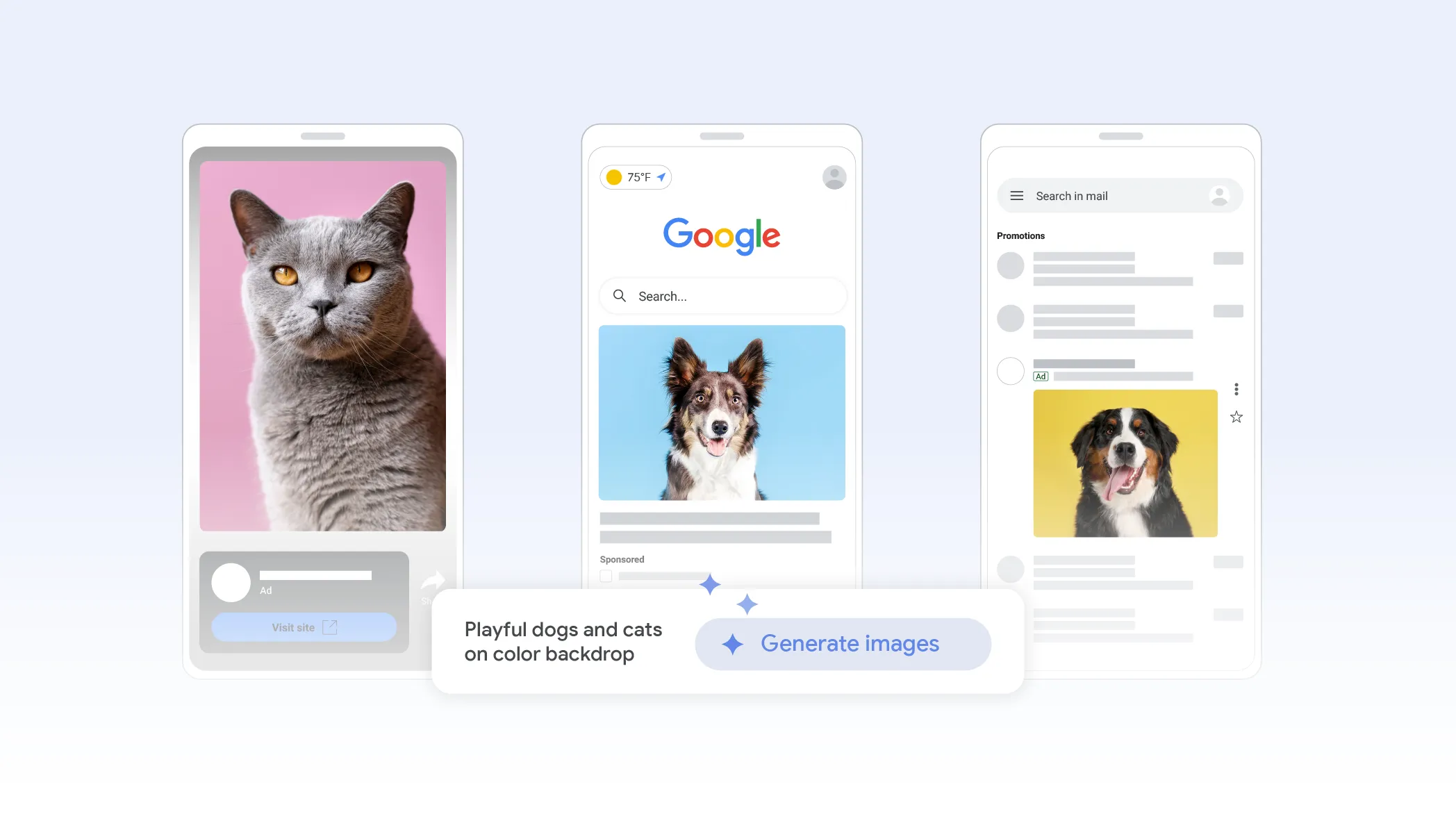
To elevate these campaigns, generative image tools are rolling out globally in English, with additional language support arriving later this year. Powered by Google AI, these innovative tools allow advertisers to create stunning, high-quality image assets in just a few simple steps.
The Bottom Line: Demand Gen’s new generative AI features empower advertisers to instantly create tailored, unique image assets from simple text prompts, helping to scale creative production efficiently.
Key Takeaways
Multiply Your Creative Impact in Seconds
Generative image tools allow advertisers to test new creative concepts with unprecedented efficiency. You can experiment with fresh styles or build brand-new visuals completely from scratch using your own text prompts. Your marketing expertise remains the driving force, guiding Google AI to generate images uniquely tailored to your specific business or client needs.
For instance, an outdoor lifestyle brand promoting camping gear could use a prompt like “vibrantly colored tents illuminated under the Aurora Borealis” to instantly produce engaging imagery aimed at users shopping for Icelandic camping trips. Additionally, if you already have winning assets, the “Generate more like this” functionality makes it incredibly easy to produce similar variations to scale your success.
Prioritizing Safety and Unique Ad Content
While the AI generates the options, you remain in complete control over which suggested images are integrated into your actual campaigns. Google maintains strict principles for responsible generative AI development, focusing heavily on fairness, privacy, and security.
To ensure ad content abides by Google Ads policies, technical measures are implemented so the AI produces novel, unique content—Google AI will never create two identical images. Furthermore, all AI-generated images within the platform are equipped with identification mechanisms. This includes open-standard markup (which surfaces on platforms like Google Image Search) and SynthID, an imperceptible digital watermark that remains resistant to image manipulations like screenshots, compression, and visual filters.
Best Practices for Multi-Format Demand Gen Ads
Diversifying your creative strategy with multi-format ads is essential to keeping audiences engaged and driving results. To build the most effective creatives for Demand Gen, consider these core strategies:
- Provide Google AI with the right assets: Follow the “rule of three” by including at least 3 images and 3 videos in every aspect ratio (vertical, square, and landscape). This maximizes your reach across all available inventory. Ensure assets feel native to the format—for instance, prioritize authentic, relatable vertical video for YouTube Shorts.
- Use high-quality, relevant visuals: High-resolution imagery builds brand trust and drives action. Retailers can leverage product feeds to tailor ads to customer interests; adding product feeds to Demand Gen drives an average of 33% more conversions at a similar cost per action (CPA).
- Evaluate and optimize performance: Embrace a test-and-learn mindset. Continually review your asset reports to make informed decisions and fine-tune your creatives based on your specific goals and audience behaviors.
Put Google AI to Work for Your Business 🚀
Want to hear more exciting product updates and learn how to elevate your visual storytelling using advanced generative tools?
Tune into Google Marketing Live 2024. Discover exactly how you can implement these AI innovations to drive unprecedented demand and performance.
Register for the Virtual Livestream
May 21, 2024 at 9 a.m. PT